logo
会社紹介

Hebei KN Wire Mesh Co., Ltd.

ヘベイKNワイヤーメッシュ株式会社, 2013年に設立され,研究,開発,生産,販売とサービスに従事しているプロのメーカーです 防御バリア,溶接ガビオンボックス,波のガビオンバスケット私たちは安平郡ヘンシュイ市に位置し 交通手段が便利です私たちの経験豊富なスタッフは,常にあなたの要求を議論し,完全な顧客満足を確保するために利用可能です.近年,私たちの会社は 溶接線網機械,切断機械,折りたたみ機械,空気ポンプ,パンチングマシンを含む一連の先進機器を導入しました.我々は強力な技術力を持っている我々は,最も優遇的な価格で,最高の品質で,顧客の顔に. さらに,我々は,すべての技術と技術と技術と技術と技術と技術と技術と技術と技術と技術と技術と技術と技術と技術と技術と技術と技術と技術と技術と技術と技術と技術と技術と技術と技術と技術と技術と技術と技術と技術と技術と技術と技術と技術と技術と技術と技術と技術と技術と技術と技術と技術と技術と技術と技術と技術と技術と技術と技術と技術と技術と技術と技術と技術と技術と技術と技術と技術と技術と技術と技術と技術と技術と技術と技術と技術と技術と技術と技術と技術と技術と技...
会社のニュース
最新の会社ニュース Industrial-Grade Physical Security: Analyzing the Production Engineering and Multi-Scenario Deployment of High-Efficiency [defensive barrier] Systems
2026/06/05
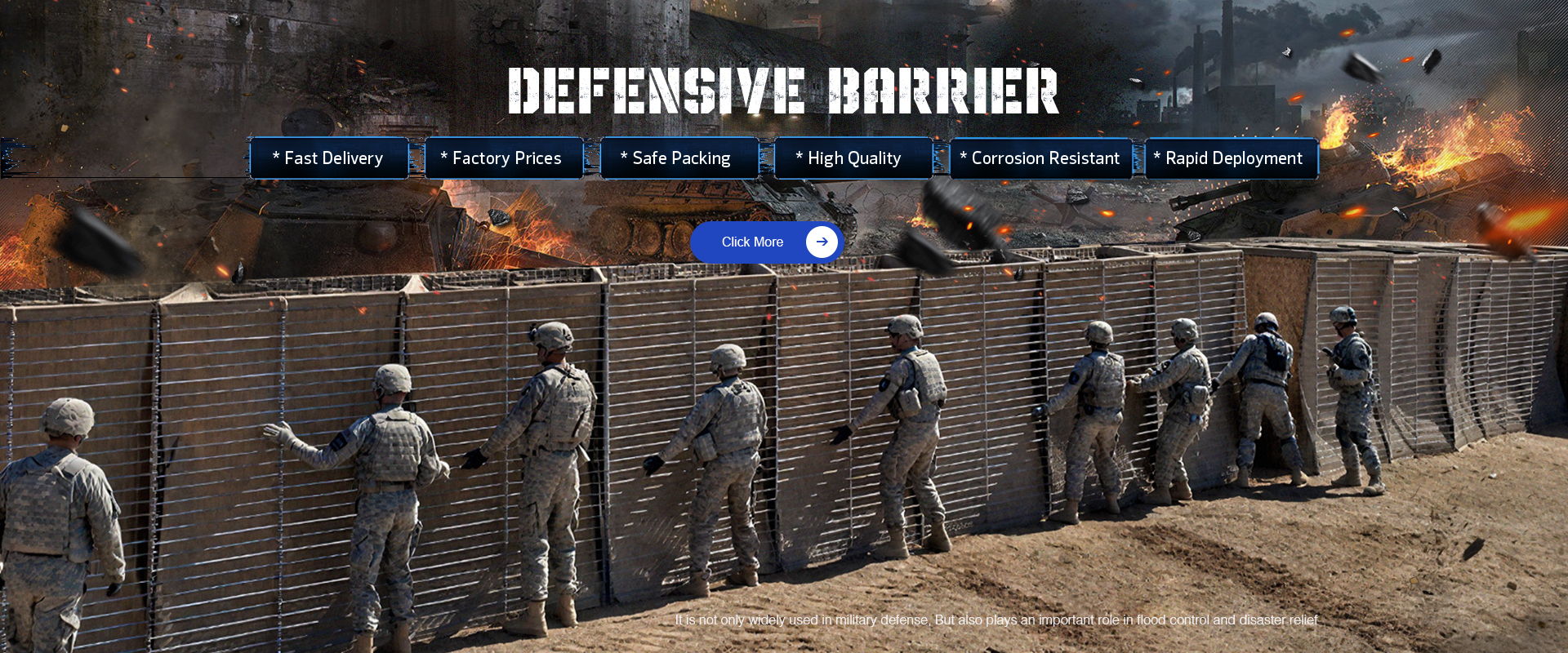
Industrial-Grade Physical Security: Analyzing the Production Engineering and Multi-Scenario Deployment of High-Efficiency [defensive barrier] Systems In the realms of modern infrastructure protection, emergency flood control, and military defense, the structural integrity of a physical perimeter directly dictates the safety of personnel and high-value assets. As the cornerstone of heavy-duty perimeter security, the modern [defensive barrier] has evolved from rudimentary sandbag stacking into a highly engineered, modular system integrating material science and structural mechanics. Drawing upon a decade of field experience in industrial manufacturing and perimeter engineering, this comprehensive analysis breaks down the core manufacturing processes, stringent quality control protocols, and real-world deployment strategies of premium [defensive barrier] systems, complete with long-term maintenance guidelines. 1. Core Value Proposition: Why Modular [defensive barrier] Systems Outperform Traditional Methods Traditional temporary flood dikes or defensive berms rely on labor-intensive sandbagging, which suffers from low operational efficiency and unpredictable structural shear strength. Modern industrial [defensive barrier] units utilize a sophisticated composite design: heavy-duty Welded Wire Mesh lined with a high-performance Non-woven Geotextile. This structural synergy yields distinct engineering advantages: In-Situ Material Utilization: Units are shipped flat-packed and expanded on-site, allowing rapid filling with locally sourced sand, gravel, earth, or crushed rock via standard earth-moving equipment (e.g., excavators or front-end loaders). This drastically slashes logistics costs and deployment timelines. Energy Dissipation Dynamics: When subjected to hydrodynamic pressure (floods) or blast overpressure (detonations), the modular cells mitigate localized stress. The impact energy is uniformly distributed across the matrix through the micro-shifts of the internal ballast and the high tensile resistance of the geotextile lining. 2. The Manufacturing Blueprint: From Raw Steel to High-Spec Field Units A resilient [defensive barrier] requires precise calibration across the assembly line. Every fabrication stage follows rigid mechanical parameters to ensure the system withstands extreme environmental degradation. Step 1: Material Selection and Metallurgy The corrosion resistance of the steel wire determines the operational lifespan of the barrier. Premium units utilize heavy hot-dip galvanized steel wire conforming to BS EN 10244-2 (with a zinc coating mass $ge 245,text{g/m}^2$) or Galfan wire (95% Zinc, 5% Aluminum). Field Engineering Note: In coastal environments characterized by high salinity, or in acidic soils, standard electro-galvanized wire exhibits red rust within 6 to 12 months, causing premature wire embrittlement. Galfan-coated wire delivers 2 to 3 times the corrosion resistance of standard hot-dip galvanization, offering a smoother finish that resists micro-cracking at the hinge bends. Step 2: Automated Resistance Welding and Mesh Formation Following mechanical straightening, the high-tensile steel wire is fed into multi-point CNC resistance welding matrices. Mesh Aperture Standard: Typically configured to $75,text{mm} times 75,text{mm}$ or $100,text{mm} times 100,text{mm}$ grids. Weld Shear Strength: To prevent catastrophic splitting under hydrostatic pressure, the shear strength of each weld must equal at least 75% of the ultimate tensile strength of the wire. Step 3: Geotextile Integration and UV Stabilization The interior lining features a heavy-duty, needle-punched non-woven polypropylene (PP) geotextile, with a base weight typically $ge 300,text{g/m}^2$. Specialized industrial sewing rigs secure the textile to the inner perimeter of the wire mesh using UV-stabilized nylon thread. The fabric undergoes advanced UV-inhibitor treatment. According to ASTM G154 weathering standards, the geotextile must retain >70% of its multi-axial tensile strength after 500 hours of intense UV exposure to safeguard against premature substrate failure. 3. Strict Quality Control (QC) & Compliance Framework To ensure that a [defensive barrier] performs flawlessly under combat or critical civil duress, production batches must pass rigid quality assurance testing before dispatch: QC Testing Parameter Evaluation Standard / Protocol Pass/Fail Threshold Metric Coating Mass Verification Magnetic induction or Weighing Method (ISO 1461) Mean zinc/Galfan thickness $ge 50,mutext{m}$ Weld Shear Testing Universal Testing Machine (UTM) axial pull Shear force resistance $ge 2500,text{N}$ per joint Drop-Hammer Impact Test Simulated high-velocity angular rock loading Zero wire fractures; no puncture failure in geotextile 4. Field Deployment Strategies & Operational Guidelines Scenario A: Military Fortification and Force Protection (Hesco-Style Deployment) In forward operating bases (FOBs), the [defensive barrier] serves as the primary defense against ballistic threats, indirect fire, and vehicle-borne improvised explosive devices (VBIEDs). Operational Protocol: Cells are expanded and interlinked continuously using heavy-duty helical joint pins. When filling, operators should fill the lower 1/3 of the cell with fine sand to optimize basal compaction, while utilizing dense gravel or crushed stone in the upper sections to maximize ballistic stopping power. Scenario B: Flood Mitigation and Emergency Civils During rapid-onset flooding, these barriers are deployed as temporary levees or wave-attenuation walls. Operational Protocol: Clear the footprint of sharp debris to prevent tearing the basal geotextile. For multi-tier structures, stack the modular units in a staggered, pyramidal configuration to establish a stable trapezoidal cross-section. Hydraulic Sealing: For high-velocity water containment, line the wet face of the barrier with an impermeable polyethylene (PE) geomembrane sheet prior to water contact.   Multi-Tier Pyramidal Stacking Profile (End-View): [ Cell ] [ Cell ][ Cell ] [ Cell ][ Cell ][ Cell ] ---> (Hydrodynamic/Flood Force Impact Face) Case Study: Emergency Breach Containment During a catastrophic river levee failure, an engineering asset deployed 5,000 linear meters of modular [defensive barrier] units. Results: Traditional sandbagging methods would have required an estimated 200 laborers working around the clock for 24 hours. Utilizing the modular systems alongside mechanized front-loaders, a crew of 15 operators completed a 2-meter-high continuous secondary containment wall in under 6 hours, successfully turning back the crest of the flood. 5. Lifecycle Assessment: Structural Trade-offs & Maintenance Key Advantages Logistical Efficiency: Shipped collapsed and palletized; reduces transport volume by up to 90% compared to pre-cast concrete barriers. Structural Flexibility: A non-rigid, gravity-retaining design allows the barrier matrix to settle naturally without structural cracking on uneven or soft alluvial substrates. Engineering Limitations UV Vulnerability: Despite stabilizers, geotextiles exposed to relentless, high-index solar radiation will eventually degrade over a 5 to 8-year continuous window. Unfilled Vulnerability: Empty units are susceptible to mechanical deformation from high winds or site traffic; cells must be filled immediately following expansion. Long-Term Maintenance Protocols Substrate Monitoring: Conduct bi-annual visual inspections for geotextile tears or structural shifting that could lead to ballast migration. Eco-Engineering (Vegetation Armor): For permanent civil installations, mix native grass seed into the top layer of soil fill. As the root systems penetrate the ballast and mesh, they bind the core matrix, providing a green shield that blocks UV rays and extends the service life of the geotextile indefinitely. 6. Frequently Asked Questions (FAQ) Q1: What is the typical design life of an filled [defensive barrier]? A: Lifespan is highly dependent on coating specifications and climate conditions. Under standard civil conditions, a unit constructed with standard hot-dip galvanized wire ($245,text{g/m}^2$) and UV-stabilized geotextile yields an operational lifespan of 5 to 10 years. Upgrading to a Galfan-coated wire matrix increases this window to 15+ years. If the barrier is covered with topsoil and vegetated, the lifespan matches that of permanent civil structures. Q2: What threat levels can a standard 1-meter-wide cell mitigate? A: Once filled with compacted sand or earth, a standard 1-meter-wide [defensive barrier] provides comprehensive force protection. It can stop standard small-arms ballistic rounds (up to $7.62,text{mm}$ armor-piercing), absorb the kinetic impact of light vehicles, and drastically attenuate explosive blast overpressure and flying shrapnel from indirect mortar fire. Q3: Are there specific aggregate limitations for the filling material? A: While the system is designed to utilize local soil, the maximum aggregate size should not exceed 2/3 of the mesh aperture dimension (e.g., for a $75,text{mm}$ mesh, keep stones under $50,text{mm}$) to avoid creating massive internal voids or tearing the lining fabric. Fill material must be free of sharp construction debris such as sheared rebar or jagged metal shards.
もっと読む
最新の会社ニュース カミソリ ワイヤーの製造と応用: 高セキュリティの境界バリアのエンジニアリング ガイド
2026/05/29
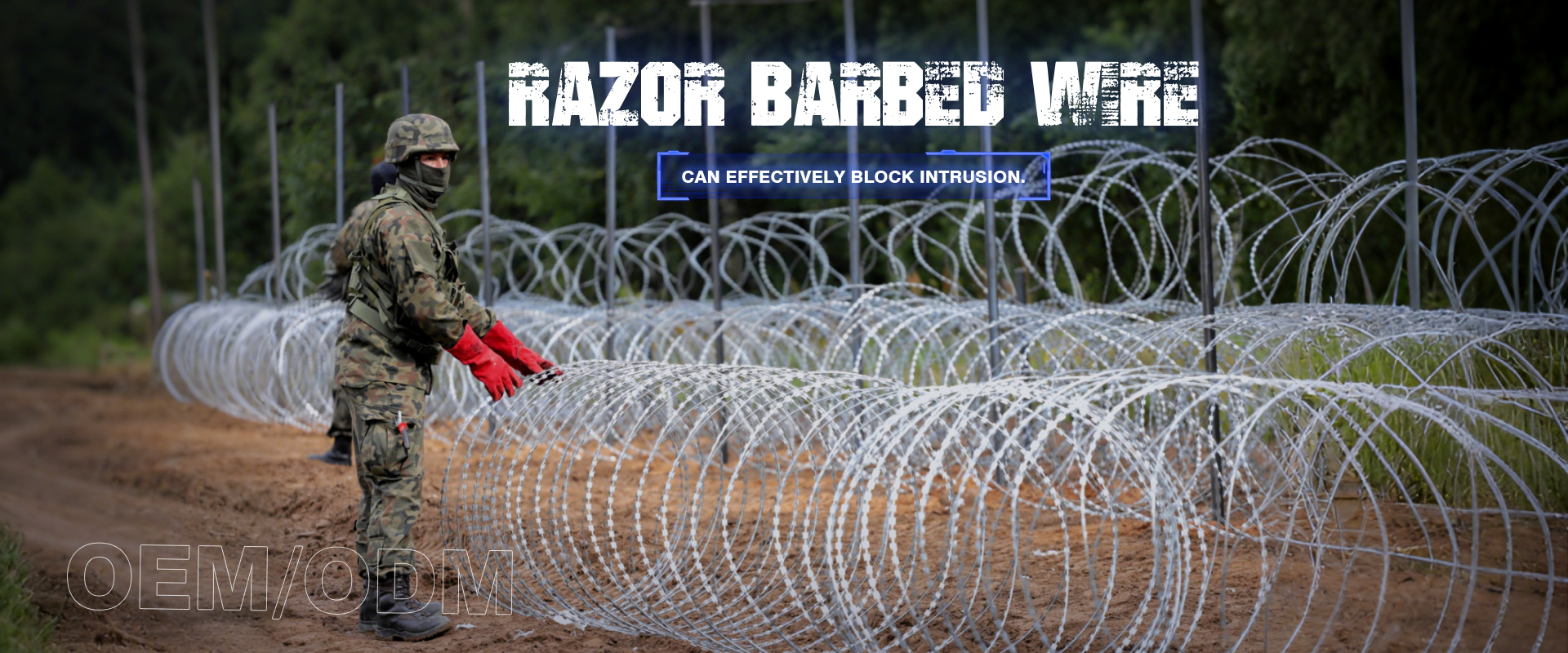
カミソリ ワイヤーの製造と応用: 高セキュリティの境界バリアのエンジニアリング ガイド 境界セキュリティ インフラストラクチャには、心理的抑止と堅牢な機械的抵抗の両方を提供する物理的障壁が必要です。セキュリティ エンジニアが利用できるさまざまなオプションの中で、カミソリワイヤー(有刺テープとも呼ばれます) は、高リスクゾーンに対する最も効果的なソリューションの 1 つとして際立っています。 この包括的なガイドでは、この重要なセキュリティ コンポーネントの製造プロセス、材料規格、重要な導入方法の技術的詳細を説明します。 1. 技術資料の仕様および規格 物理的バリアの構造的完全性は、その冶金学的組成に大きく依存します。長期的な耐久性と意図的な切断や風化に対する耐性を確保するために、特定の業界規格によりコア ワイヤーとブレード ストリップの製造が規定されています。 芯線仕様 中心のコアワイヤーはバリアのバックボーンとして機能し、標準的なハンドツールによる切断に耐えるのに必要な引張強度を提供します。 材料:高張力ばね鋼線またはステンレス鋼線。 直径:通常$2.5テキスト{ mm}$($pm 0.05text{ mm}$)。 抗張力:最小$1400テキスト{ MPa}$物理的ストレス下での剛性と弾性を確保します。 規格への準拠:多くの場合、以下に従って製造されます。ASTM F1910(長い有刺鉄線の障害物の標準仕様)または同等の国際標準EN 10223-7。 ブレードストリップ仕様 鋭いバーブは、高張力コアにしっかりと巻き付けられた連続した金属リボンから打ち抜かれます。 材料オプション:溶融亜鉛めっき鋼板(亜鉛めっき)$ge 275text{ g/m}^2$産業環境用)または海洋または腐食性の高い環境用のステンレス鋼グレード 304/316。 厚さ:一般的に$0.5テキスト{ mm}$($pm 0.05text{ mm}$)。 財産 芯線(高張力鋼) ブレードストリップ(亜鉛メッキ/ステンレス) 厚さ/直径 $2.5テキスト{ mm}$ $0.5テキスト{ mm}$ 抗張力 $ge 1400text{ MPa}$ N/A (スタンピングに可鍛性) 一次機能 構造剛性、耐切創性 抑止、絡み合い、突き刺し 2. カミソリワイヤーの製造プロセス 安全性の高いフェンス材の製造には、均一なブレード間隔とコンポーネント間の完璧な機械的結合を確保するための精密自動機械が必要です。   【鋼コイル供給】→【精密打ち抜き(ブレード)】→【芯線一体化】→【冷間圧延・圧着】→【クリッピング&コイリング】 ステップ 1: 精密ブレードスタンピング このプロセスは、自動化された高速パンチングプレスから始まります。亜鉛メッキまたはステンレス鋼シートの連続リボンが機械に供給されます。精密金型はブレード (BTO-22 や CBT-65 など) の特定のプロファイルを打ち抜き、キャリア リボンと呼ばれる中央の未切断のストリップを残します。打ち抜かれた金属スクラップは自動的に巻き戻されてリサイクルされます。 ステップ 2: 芯線の一体化と冷間圧延 ブレードのプロファイルが打ち抜かれると、金属リボンと高張力コア ワイヤーが同時に専用のプロファイル加工機に供給されます。 機械はブレードストリップを芯線の周りにしっかりと巻き付け、芯線を完全に包み込みます。頑丈な冷間圧延ホイールは莫大な圧力を加え、ワイヤーコアの周りにバーブスチールを圧着します。 技術的な洞察:圧着中の完璧な機械的結合は非常に重要です。ロール圧力が不十分な場合、取り付け中にブレード ストリップがコア ワイヤに沿って滑り、バリア内に死角が生じ、内側のワイヤが湿気にさらされて局所的な腐食が促進される可能性があります。 ステップ 3: コイリングと高強度クリッピング 蛇腹構造の場合、単一ストランドをマンドレルに巻き付けて、特定の直径のループを形成します(例:$450テキスト{ mm}$、$700テキスト{ mm}$、 または$960テキスト{ mm}$)。 蛇腹コイルの特徴的な蛇腹状の拡張を生み出すために、耐久性の高いダブテール クリップを使用して、隣接するループが互い違いの間隔で固定されます。これらのクリップは空気圧で圧縮されているため、展開後に簡単にこじ開けることはできません。 3. 包括的な品質管理およびテストプロトコル 国際的な防衛および産業調達仕様を満たすために、完成したロットは工場出荷前に厳格な品質保証テストを受ける必要があります。 亜鉛コーティングの厚さの検証 亜鉛めっきのバリエーションについては、漏れ磁束またはデジタル膜厚計で亜鉛層の均一性を測定します。打ち抜きエッジは早期の酸化に対して最も脆弱であるため、ブレードの平らな表面と打ち抜きエッジの両方にわたって最小限の厚さを確保することが重要です。 引張試験と曲げ試験 コアワイヤのサンプルは機械的引張試験機にかけられ、最小値を満たしていることが確認されます。$1400テキスト{ MPa}$しきい値。極端な温度変化や突然の衝撃によってワイヤーが脆くなったり破損したりしないことを確認するために、破壊曲げ試験も行われます。 寸法形状の検査 品質管理技術者は、デジタル ノギスを使用して、ブレードの長さ、ブレードの間隔、テープ幅を指定されたプロファイル標準と照合して検証します。たとえば、標準BTO-22プロファイルはブレードの長さを厳密に遵守する必要があります。$22テキスト{ mm}$($pm 1テキスト{ mm}$) とバーブの間隔$34テキスト{ mm}$($pm 1テキスト{ mm}$)。 4. 実際のアプリケーションシナリオとインストールガイド 適切な構成の選択は、必要なセキュリティ レベルと既存の境界構造の性質に完全に依存します。 標準構成プロファイル シングルコイル:クリップのないシンプルな螺旋コイル。主に、迅速な展開と回復が必要な低リスクの周囲または一時的な境界に使用されます。 コンサーティーナ (クリップ) コイル:密な円筒状のメッシュに広がる相互リンクされたループ。この構成は、単一のループを切断してもバリア全体の構造的完全性を損なうことがないため、高度な侵入の試みに対して非常に効果的です。 フラットラップ:平行なループが平面に圧縮されています。このプロファイルは、横方向のスペースが制限されており、バリアが公共の通路や隣接する敷地からはみ出してはいけない都市の施設や門に最適です。 既存のフェンスへの段階的な設置 高張力セキュリティ ワイヤーの取り付けには、厚手の革製溶接手袋、専用のワイヤー牽引用付属品、空気圧式クリップ ツールなどの特別なツールが必要です。 サポート構造アセンブリ:Y字型またはV字型の延長アームを既存のフェンス支柱に間隔をあけて固定します。$2.5 テキスト{ ~ }3.0 テキスト{ メートル}$。 テンションワイヤーの取り付け:2 列または 3 列の高張力亜鉛メッキのサポート ワイヤーを延長アームの穴に通します。ワイヤーストレーナーを使用して、これらのワイヤーを完全にピンと張るまで張ってください。 コイルの展開:束ねたセキュリティコイルをフェンスラインの始点に配置します。太い結束ワイヤまたはクリップを使用して、最初のループを端子ポストにしっかりと固定します。ループ間の均一な間隔を維持しながら、テンション ワイヤーに沿ってコイルを慎重に拡張します (通常は$300テキスト{ mm}テキスト{ ~ }400テキスト{ mm}$別に)。 最終的なタイダウン:次の方法を使用して、拡張されたコイルの上部と下部のループをすべての交点で構造張力ワイヤに結び付けます。$2.0テキスト{ mm}$亜鉛メッキのタイワイヤーまたはステンレス鋼のホッグリング。 5. 客観的なパフォーマンス評価: 利点と限界 境界セキュリティ システムを設計する場合、構造パフォーマンスと長期的なメンテナンス コストおよび運用制限のバランスをとることが重要です。 システムの利点 並外れた心理的および物理的抑止力:鋭く狭い間隔で配置されたとげは、特別な装備なしで障壁を登ったり突破しようとする人に重度の裂傷を引き起こします。 構造上の寿命:プレミアム亜鉛メッキコーティングと海洋グレードのステンレス鋼のオプションは、数十年にわたって環境劣化に耐え、頻繁な交換の必要性を最小限に抑えます。 統合の柔軟性:このバリアは、金網フェンス、溶接メッシュ パネル、コンクリート レンガ壁に簡単に後付けしたり、独立した地上障害物として使用したりできます。 システムの制限と緩和策 破片が蓄積しやすい:風に吹かれた葉、ビニール袋、小枝が鋭いとげに巻き込まれる可能性があります。掃除せずに放置すると、この蓄積された破片が強風の際に帆のような効果を生み出し、支持フェンスの支柱に余分な構造的ストレスを与える可能性があります。 設置上の危険性:鋭利なエッジにより、設置担当者に危険が生じます。乗組員は特殊な防護服を着用する必要があり、設置は経験豊富な物理的セキュリティ請負業者のみが実行する必要があります。 6. 構造のメンテナンスと腐食の軽減 溶融亜鉛メッキおよびステンレス鋼のバリアは日常の注意を最小限に抑えますが、定期的な予防メンテナンス プログラムを実施することで設備の耐用年数を延ばします。 半年ごとの検査:タイワイヤの緩み、野生動物の衝撃によるコイルの歪み、構造的なたるみがないか確認してください。構造上のクリップがしっかりと締まっており、機械的に改ざんされた形跡がないことを確認してください。 局部腐食処理:沿岸環境または工業環境では、切断端に見られる軽度の表面酸化をワイヤーブラシで清掃し、少なくとも 95% の純亜鉛を含む冷間亜鉛めっきスプレーで直ちに処理する必要があります。 7. よくある質問(FAQ) 標準の有刺鉄線とカミソリワイヤーの主な違いは何ですか? 標準的な有刺鉄線は、主に封じ込めや農業用フェンス用に設計された、ワイヤのより線に一定の間隔でねじれた鋭い先端を備えています。ここで説明するセキュリティ ワイヤーは、高張力コアの周りに冷間圧延された打ち抜き鋼ブレードの連続ストリップを使用しており、大幅に優れた切断抵抗と人間の侵入に対するより厳しい物理的障壁を提供します。 商業用途と軍事用途に最適なブレードのプロファイルはどれですか? 標準的な商業または工業ヤードの場合、次のような短いバーブ プロファイルBTO-22コスト効率とセキュリティの優れたバランスを提供します。軍事前哨基地、刑務所、国境などの高度なセキュリティ施設の場合は、次のような長いブレード プロファイルが適しています。CBT-65細長いスパイクはより深い絡み合いを引き起こし、標準のバイパスツールでバイパスするのが非常に難しいため、推奨されます。 ステンレス鋼製セキュリティ コイルを亜鉛メッキ鋼製支柱と混合できますか? 湿気の多い環境や沿岸環境では、異種金属間の直接接触により電気腐食が引き起こされる可能性があります。ステンレス鋼のセキュリティ コイルが亜鉛メッキ鋼の支柱に取り付けられている場合は、接触点にネオプレンまたはゴム製の絶縁ストリップを使用するか、高級 UV 安定化ポリマー タイで固定して、金属間の直接接触を防ぎます。
もっと読む
最新の会社ニュース Razor Wire の決定版ガイド: エンジニアリングの精度と戦略的セキュリティ アプリケーション
2026/05/15
高度なセキュリティの周辺保護の領域では,心理的に威嚇的で物理的に威嚇的な解決策はほとんどありませんナイフワイヤー現代の研ぎ針線は 従来の刺線への単純なアップグレード以上のもので 金属工学の洗練された合成と 戦略的抑止力設計を代表しています 1基本的メカニズム:重要性と基準を理解する 核となるのはナイフワイヤー(コンチェルティーナワイヤーとしても知られる) は,鋭い鉄筋でしっかりと巻かれた高耐久性の中核のワイヤーです.厳しい環境での長期耐久性を確保するために,業界専門家が特定の材料基準を優先する. 材料の仕様 コアワイヤ:通常は2.5mm直径の高張力鋼です.プロの設定では,手作業ツールで切断を防ぐために1450-1550MPaの張力強さを求めます. ナイフストライプ:通常は0.5mm厚のガルバン製鋼またはステンレス鋼 (AISI 304または316) 標準準拠:高級生産のほとんどはASTM A764金属で覆われた炭素鋼のワイヤ,またはEN 10223-7鉄鋼のワイヤとフェンシング用ワイヤ製品について 2生産ライフサイクル: 鋼のコイルからセキュリティバリアまで 高品質の製造ナイフワイヤー高精度なプロセスで 核の硬さと 刺さった刃の鋭さとのバランスを必要とします 第1段階:刃の打撃と形づくり この プロセス は,電熱 された 鉄 の 帯 や 不 鋼 鋼 の 帯 から 始まります.高速 の 精密 プレス を 用い て",歯"や 刃 を 打つ こと に なり,鋭い 刃 の 連続 的 な リボン を 作り出します.最も一般的なプロフィールには: BTO-22 (中型刃):一般的なセキュリティの業界標準です CBT-65 (ロングブレード)攻撃的なプロフィールで 軍事用に使われます "コンチェルティーナ"のスタイルでは,隣接するループは重用クリップ (通常はループごとに3〜5) を使って結合される.これは風笛のような拡張を創造する.このクリップの緊張は,展開されたときに障壁の密度を決定します. 2 段階:冷気圧巻きの統合 製造者の"経験"が示すところです. パンチテープは,機械的に高張力コアワイヤの周りに包まれます.ナイフワイヤー固く 永久 に 結びつける 冷たい ロール 処理 を 用いる.手袋 の 手 を よく 製造 さ れ た コイル の 上 に 運ぶ と,刃 の テープ は,コア ワイヤ の 切り離さ れ ない 皮膚 の よう に 感じ られる よう に なり ます. 第3 段階:巻き込みと切断 "コンチェルティーナ"のスタイルでは,隣接するループは重用クリップ (通常はループごとに3〜5) を使って結合される.これは風笛のような拡張を創造する.このクリップの緊張は,展開されたときに障壁の密度を決定します.
もっと読む